
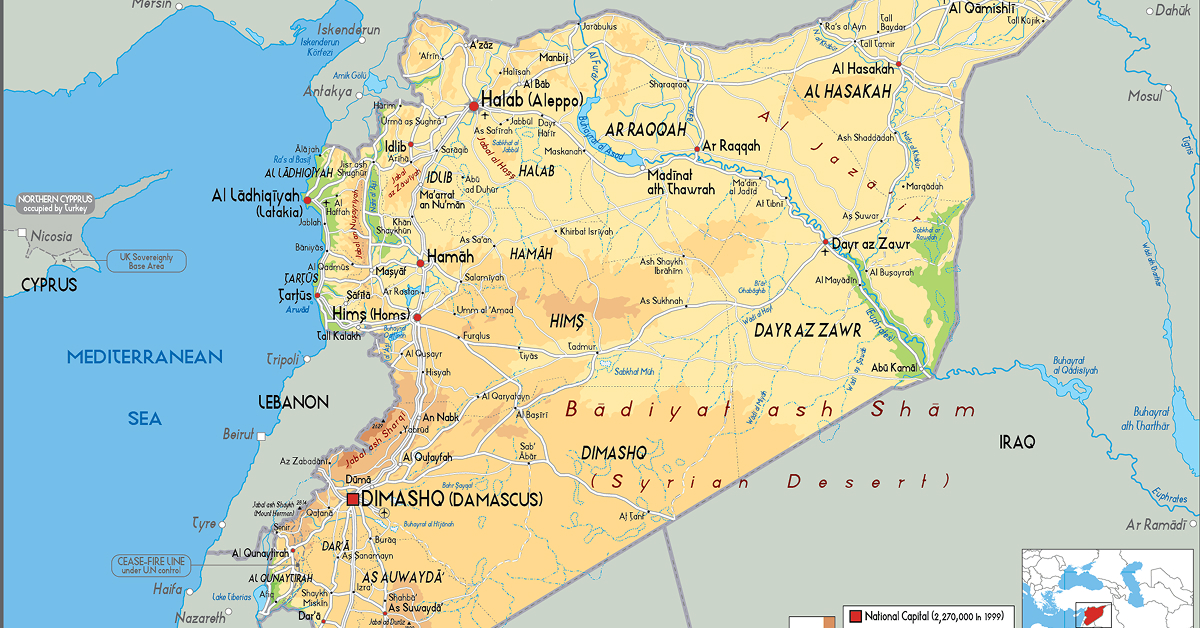
Entering Syria for business requires a different playbook than a typical market entry. Success depends on combining personal safety, regulatory compliance, and operational discipline—before you ever step on a plane. This guide distills practical, field-ready steps to help you travel safely, protect your team, and keep your project on schedule.
1) Pre-Trip Intelligence & Compliance
-
Check official advisories and update them the week and day before travel. Build a concise risk brief for your team.
-
Visas & permits: Confirm purpose-of-visit documentation (meetings, site visits, contracting), plus any special permits for movement, filming, or technical equipment.
-
Sanctions & AML: Run counterparties through sanctions/PEP screening; confirm lawful payment routes and export controls for tools/equipment.
-
Insurance: Ensure medical, evacuation, security, and kidnap/ransom (K&R) coverage where permitted; share hotline numbers on wallet cards.
-
Medical readiness: Consult a travel clinic; prepare a compact med kit (analgesics, antibiotics as advised, water disinfection, dressings) and confirm nearest capable clinics.
2) Movement Planning & Personal Security
-
Route cards: Pre-define primary and alternate routes with time gates and check-in points. Account for curfews and daylight-only windows.
-
Local coordinator/fixer: Use a vetted local partner for real-time updates, access, translation, and permits.
-
Low profile: Neutral clothing, no flashy gear, discreet behavior. Avoid predictable routines and public postings of locations.
-
Convoy discipline: Travel in small groups, maintain spacing, agree on lost-contact procedures, and carry paper maps as backup.
-
Accommodation security: Prefer properties with controlled access, interior corridors, and reliable generators/water; request low-floor rooms away from street frontage.
3) Health, Hygiene & Duty of Care
-
Water/food safety: Stick to sealed water; avoid raw produce you didn’t wash/peel yourself.
-
Hygiene protocols: Alcohol-based sanitizer, surface wipes, and (if relevant to your work) clear disinfection procedures for site visits.
-
Team duty of care: Daily check-ins, emergency contact trees, and a written incident-response plan (medical, security, evacuation). Run a 10-minute “what if?” drill on arrival.
4) Communications & Data Security
-
Redundant comms: Local SIM + backup (eSIM or satellite device where lawful). Preload offline maps and translation.
-
Data hygiene: Travel-clean devices, encrypted storage, strong screen locks. Avoid public Wi-Fi; use a reputable VPN if permitted by local law.
-
OPSEC basics: No posting real-time locations; scrub metadata from shared images/documents.
5) Money, Contracting & Governance
-
Payments: Confirm legal, documented channels in advance; avoid informal transfers that create compliance risk.
-
Contracts: Dual-language contracts (Arabic/English), clear scopes, milestone payments, and acceptance criteria. Add force-majeure, security delays, and audit-rights clauses.
-
Anti-bribery: Publish a zero-tolerance stance to all partners and put it in writing; escalate any “facilitation” requests to your compliance lead.
6) Choosing the Right Local Partners
-
Prequalification: Check safety record, references, licensing, equipment lists, and operator certs; verify they can mobilize on time.
-
HSE alignment: Require method statements, PPE standards, and toolbox talks.
-
Reporting culture: Daily photos, volumes, and issues logs—if it isn’t documented, it didn’t happen.
7) Logistics That Don’t Break Your Schedule
-
Fuel & spares: Keep buffers for vehicles, generators, and critical tools.
-
Transport mix: Balance cost with risk (soft-skin vs. armored), driven by route threat and cargo sensitivity.
-
Warehousing & staging: Pre-position consumables near the workface; keep alternate suppliers for aggregates/PPE.
-
Power & water: Plan for outages—hybrid solar/diesel where possible; maintain water bowsers/filters.
8) Cultural Intelligence & Community Relations
-
Etiquette: Conservative dress, mindful language, and respect for religious practices and local customs.
-
Community notices: If you’ll generate noise/dust/traffic, communicate early (door notices, hotline).
-
Photos/social: Always ask before photographing people or sensitive sites; avoid sharing identifiable images publicly.
9) Operating Tips for Site Visits & Projects
-
Permits first: Demolition/renovation approvals, debris transport, environmental and noise/dust controls, road closures, and temporary utilities.
-
MEP make-safe: Confirm isolation of power/gas/water/telecom before entering any compromised structure.
-
Debris & hygiene: Plan debris sorting and lawful disposal; sanitize work areas; prevent pests around staging yards.
-
KPIs: Track days-to-permit, on-time movements, incident rates, and cost/time deltas; share donor-ready or board-ready reports.
Quick Checklist (print and carry)
-
Visas/permits confirmed; sanctions/PEP checks done
-
Insurance (medical/evac) active; clinic locations mapped
-
Route plan with alternates; daily check-in schedule
-
Local coordinator engaged; drivers briefed
-
Comms redundancy (SIM + backup); chargers/power bank
-
Med kit + hygiene kit; safe water plan
-
Contracts dual-language; compliance statement issued
-
Security + emergency response plan rehearsed
Final Word
Traveling and doing business in Syria is possible—and can be productive—when you put safety, compliance, and partnerships at the center of your plan. Prepare well, document everything, and work with people who already know the terrain.
How Northwood Can Help
Northwood supports teams traveling and operating in Syria with end-to-end practical support: permitting guidance, vetted local partnerships, movement planning, site safety (MEP make-safe), controlled access for visits, and dependable logistics—plus 24/7 response and clear, donor-ready reporting.
Let’s tailor a plan for your itinerary or project:
Call: +963 11 3322990 • Email: [services@northwoodgroup.org]
We’ll review your objectives, map risks, and deliver a concise Travel & Operations Brief you can use immediately.